




An Alternative Approach to SEO for AI-Driven Answer Engines
Excerpts from the MI White Paper

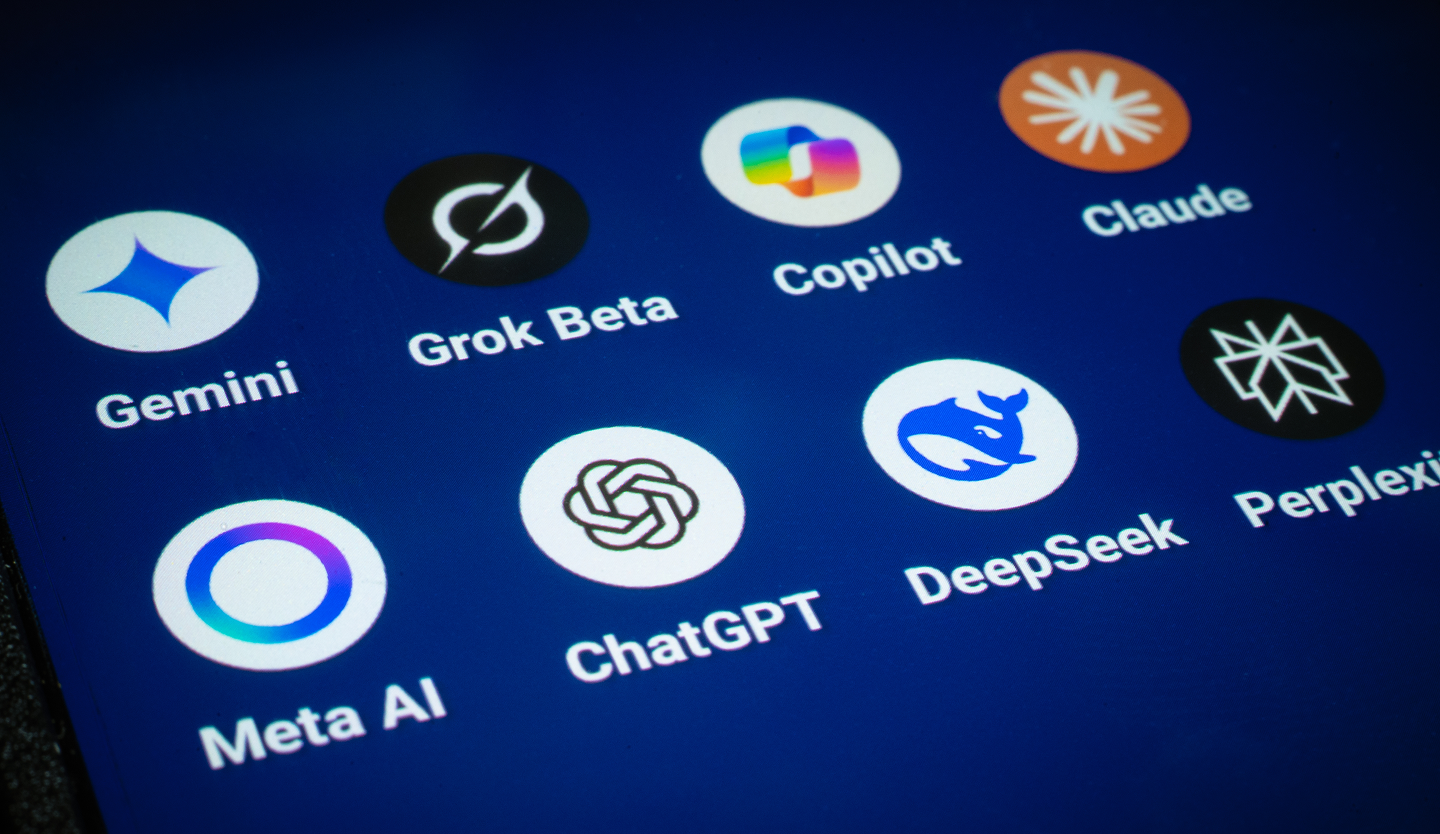
We’ve all experimented with AI engines – from ChatGPT to Perplexity to Claude – and discovered that each one has their own nuances. In fact, no two engines behave the same or use similar algorithms. We want to show up in AI results, so how do we tackle GEO? And what do we do with SEO?
Today’s answer: GEO does not replace SEO, but brands need to treat optimizing for AI engines differently from their SEO strategies. It should be a separate brand channel that is constantly managed and optimized, with separate content pages developed specifically for AI.
Much like other search engines, AI engines release new models every year, so it will be important to develop a UX/UI structure for content from the start – because AI answer engines are tuned to measure expertise, consistency and trust. Content developed for AI engines should inform, explain, evaluate and clarify – and flexibility on revisions and additions is key.
As with any “new” marketing channel, measurement isn’t mature for AI programs. For now, it’s best to consider it a brand channel for awareness – not a conversion or sales channel. Today’s research indicates that only 5.7% of users click through to ChatGPT responses. But having a consistent AI presence helps make your brand the one trusted answer, leading to whole funnel benefits.
One of AI’s favorite sources is community content from public forums like Reddit and YouTube, along with review sites like Yelp, and even Facebook. Content that is developed and shared on communities should be category-specific – as consumers are likely to search for answers regarding a product or service.
Traditional SEO is still very viable and necessary, but SEO teams that embrace GEO will become invaluable. Build a solid foundation from the start with structured data and content and treat GEO like and unknown by constantly testing and experimenting with prompts to test how (and if) your brand appears.
MI is as flexible as ever to help guide our clients through the AI landscapes. Give us a call to discuss your GEO strategy.
