




Newsflash: When it comes to AI search engine results, your brand is either in the answer, or it isn’t.
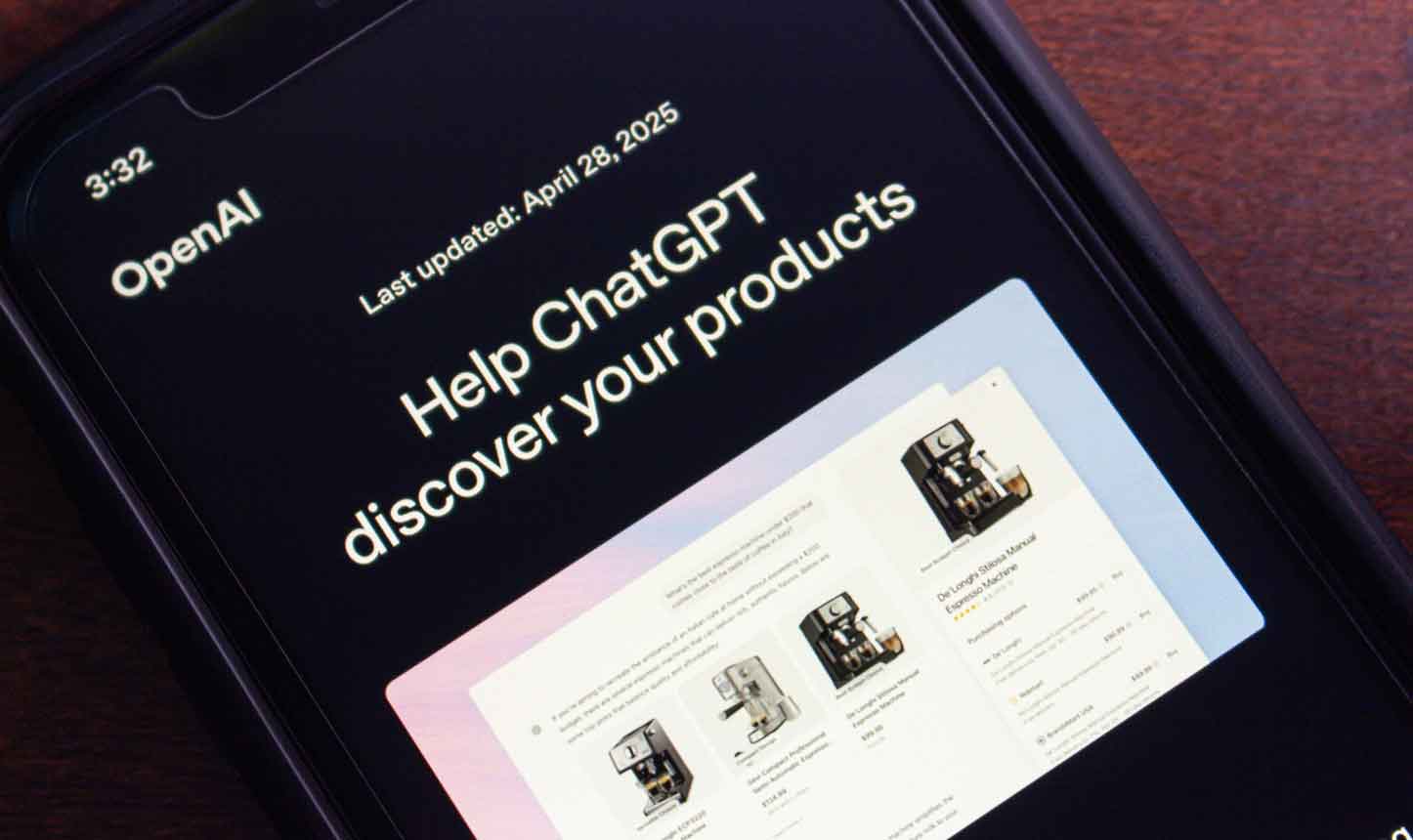
That’s not a future state—this started happening in 2025. For instance, when a consumer asks ChatGPT “what’s the best standing desk under $800 for someone who’s 6’2″,” they get one recommendation—maybe two. The AI engine picks a winner, explains why, and moves on. No scrolling…no comparison shopping…no ten blue links to read through and compare.
The usage numbers are staggering: Amazon’s Rufus has been used by more than 250 million customers. AI tools influenced roughly $14 billion in Black Friday 2025 sales. More than half of US consumers now use AI in their shopping process (according to Adobe’s 2025 survey of 5,000 shoppers). The AI shopping channel exists and it’s growing fast—the question is whether or not your brand shows up.
The Problem Isn’t Your SEO. GEO is a separate animal.
Here’s where most brands go wrong: they treat this like a search problem. Keywords, rankings, page optimization. That’s the wrong lens. The GEO (Generative Engine Optimization – also known as AEO and AIO) that affects AI shopping search results relies on consistent content, data points, reviews, FAQs and factual information—not keyword phrases or marketing copy.
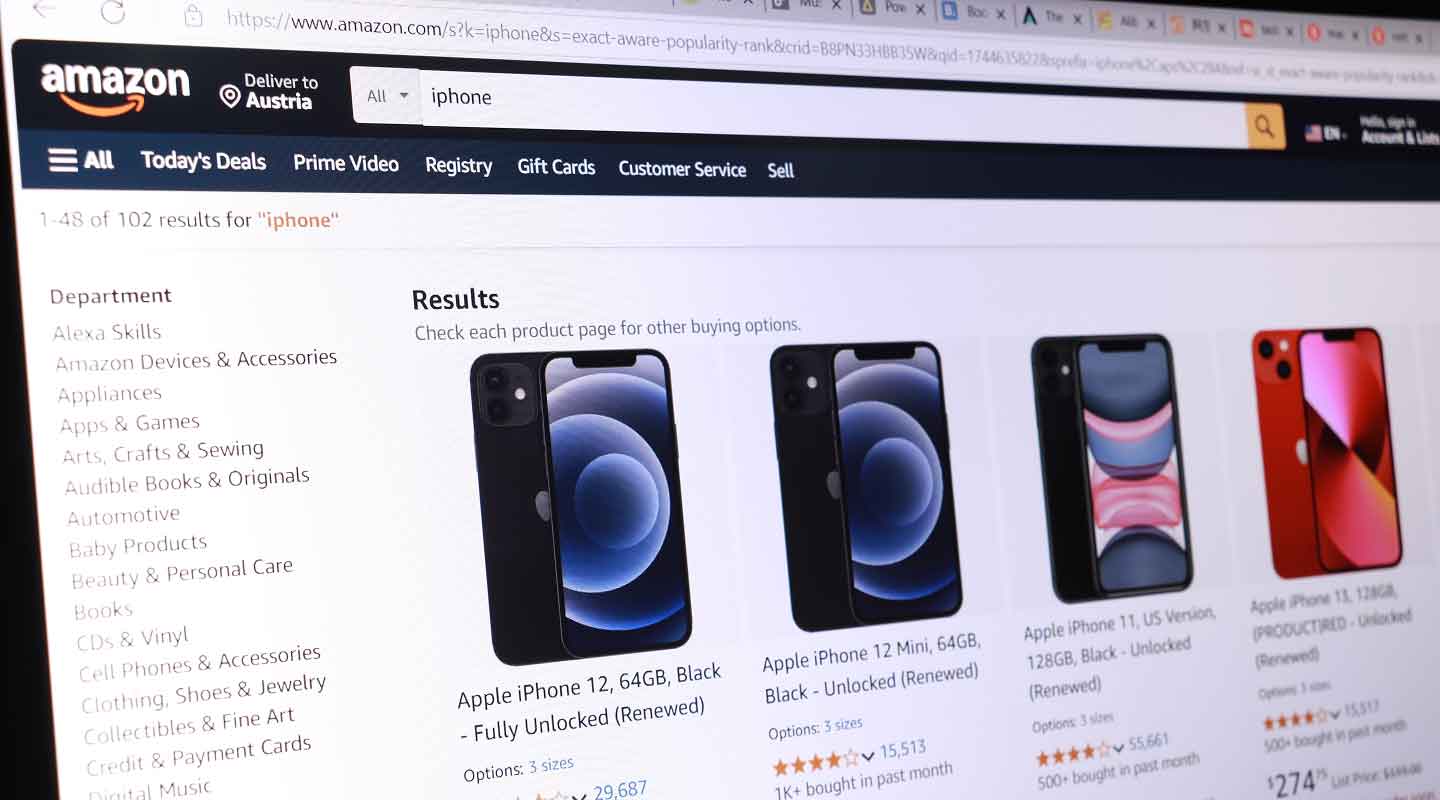
Here’s why: AI shopping assistants don’t rank pages. They synthesize information from everywhere your brand exists: your website, your Amazon listing, your Google Shopping feed, third-party reviews and retail partner PDPs (Product Detail Pages). They’re looking for a consistent story so that when they find one, they can accurately represent your content. When they find contradictions, they either misrepresent you or move on to a competitor they can explain more clearly.
Most mid-market brands have more inconsistency than they realize. Over time, product specs on the owned site get stale…the Amazon listing was built by a different team two years ago…a retail partner’s page still shows a discontinued colorway. None of this looks like a crisis from the inside, but from an AI’s perspective, it reads as a brand that doesn’t know its own product and the shopping recommendation goes elsewhere.
The full seven-component framework for AI shopping readiness is in our white paper.
What Actually Gets You Recommended

The most important thing isn’t clever copy, headlines, or even keywords—it’s consistency in your information. Brands that show up reliably in AI recommendations have product information that says the same thing everywhere: same name, same specs, same core differentiators across their site, their feeds, and their marketplace listings. There are no contradictions for the AI to reconcile. This sounds like something you’d think your teams are paying attention to, but when you pull your own product data across channels you may be surprised.

Differentiation is the second thing, and it catches brands off guard. Conversion marketing copy is written to reach lower in the funnel—to people who are already interested. AI assistants operate earlier in the decision-making funnel, deciding whether your product deserves to be surfaced at all. Clarity wins there, not creativity. Copy that says “crafted for those who demand the finest” loses to the copy that says “machine-washable, fits sizes XS-3XL, available in 12 colors, ships in 2 days”. AI can only report what you’ve actually said. It can’t infer what you mean with a tag line or fluff copy. Most brand copy isn’t written to be explicit, which is exactly why most brands have a problem with AI shopping results.

Reviews matter more for AI results than in traditional search, and recency matters as much as volume. A steady flow of recent, authentic reviews signals that the product is actively being purchased and that customers are satisfied enough to weigh in. A cluster of reviews from two years ago reads like a red flag. Get to 100+, keep them coming, and respond when something goes wrong. Transparency and consistency are key here.

The last piece is the conversion path. Discovery is happening in AI, but purchase still happens on your site or a marketplace. A lost hand-off (user clicks through from a ChatGPT recommendation, lands on a homepage, can’t find the product) looks like an organic traffic problem in your analytics, but it’s an AI visibility problem upstream. Deep links, three-step mobile checkout, naming that matches what the AI said—that’s the test.
The Clock Is Ticking
Nearly two-thirds of consumers plan to use AI chatbots for shopping in 2026. Traffic to e-commerce sites from AI assistants has doubled every two months since September 2024. This is not a channel to monitor. It’s a channel to be in now.

Source: AP Photo/Barbara Ortutay
And the infrastructure is moving faster than most brands realize. On June 10, 2026, Visa embedded its payment network directly into ChatGPT — enabling AI agents to complete purchases on behalf of users at any Visa-accepting merchant, not just a handful of enrolled partners. The discovery-to-purchase hand-off that brands need to nail today could become a discovery-to-purchase hand-off that never leaves the conversation at all. That shift isn’t here yet for most categories, but the payment rails are being laid now. The brands that have their data, reviews, and product truth in order when that behavior arrives are the ones that will capture it.
Comparing today’s AI shopping to the SEO drive of 2010 is worth taking seriously—not because the tactics are the same, but because the window dynamic is. The brands that built organic search authority early compounded that advantage for years. Competitors who waited had a much steeper hill to climb to page one of organic search rankings. That window was real, and it has been closed for years.
AI shopping is now in that window. The brands getting recommended today are building the review velocity, the authority signals, and the product truth consistency that will make them the default recommendation as adoption matures. The window to establish that position before the channel gets crowded is real, too—and it won’t stay open indefinitely.
Where to Start. Like, Today.
The best place to begin is to run AI shopping queries on your own products. Pick 20 category-relevant questions your customers might ask and run them through ChatGPT (with shopping research enabled), Gemini, and Amazon Rufus. Document what gets recommended, see if your products appear, and look at what the recommended brands are saying that you’re not. Thirty minutes will tell you more about your actual AI visibility than any audit report.
Most brands find the problem in one of two places: product truth consistency or review health. If your data conflicts across channels, start by creating one source of truth and getting those changes live. If your reviews are thin or stale, build a managed review program. You don’t need to fix everything at once, but starting now will be key to long-term success.
Want to know more? We’ve built the Modern Impact AI Shopping Readiness Scorecard to make the diagnosis faster. It covers seven areas with specific scoring criteria and weights them by impact, so you know which fix to make first. If you run it on your top three products, you’ll have a prioritized action list in under an hour.
The full framework and a 30-day action plan are in the white paper. AI-Driven Commerce: What Mid-Market Brands Need to Know covers the seven-component readiness framework, how product type changes your optimization approach, and a week-by-week plan for mid-market brands.
Want to talk to an expert? Contact us and we can chat.
Modern Impact is a Brand Performance Agency helping mid-market brands grow smarter. Our AI readiness practice covers strategy, data architecture, and ongoing optimization across AI discovery channels.
